
Data Analytics Dashboard
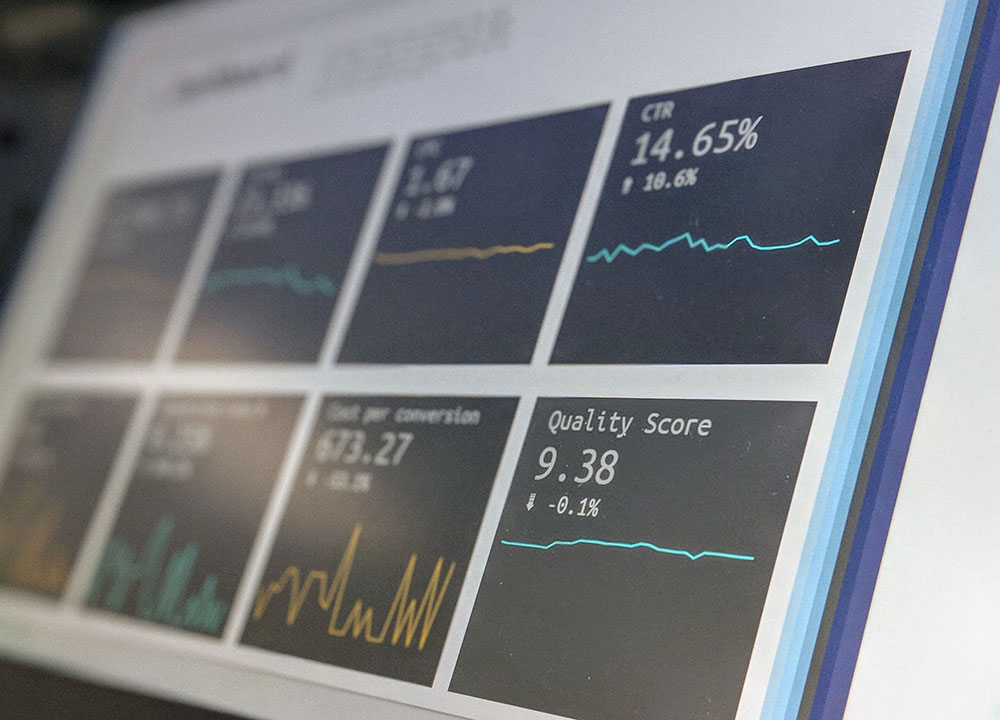

Dashboard is a tool that visually displays and summarizes data from various sources to provide insights and facilitate decision-making. By presenting key metrics in an easily understandable way, users can quickly identify trends, patterns, and anomalies within the data, helping organizations make informed choices and improve performance.
- Data center infrastructure includes physical and virtual components for storing and managing data.
- Servers are used to process and run applications.
- Storage systems like HDDs, SSDs, NAS, and SAN store data securely.
- Networking devices like switches, routers, and firewalls manage data flow.
Data center infrastructure might be out of sight, but it’s never out of service. As our reliance on digital technology grows, so does the need for resilient, efficient, and secure data centers. Understanding how this infrastructure works is essential for IT professionals, developers, and decision-makers navigating the modern tech landscape.


Data center infrastructure includes physical and virtual components for storing and managing data. Servers are used to process and run applications.
While traditional on-premise data centers offer control and customization, cloud data centers (like those operated by AWS, Azure, or Google Cloud) provide scalability and flexibility. Many organizations today adopt hybrid models, combining both types for best results.


Modern data centers use monitoring tools to track health metrics, performance, power consumption, and environmental conditions. Depending on needs, organizations may use on-premise data centers for complete control, cloud-based centers for scalability and flexibility, or hybrid models that offer the best of both. Trends like green data centers emphasize energy efficiency, while edge computing brings processing closer to users for lower latency.
Modern data centers use monitoring tools to track health metrics, performance, power consumption, and environmental conditions. Depending on needs, organizations may use on-premise data centers for complete control, cloud-based centers for scalability and flexibility, or hybrid models that offer the best of both. Trends like green data centers emphasize energy efficiency, while edge computing brings processing closer to users for lower latency.